From Site Work to Prefabrication logic
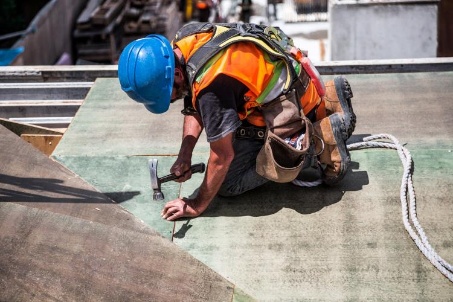
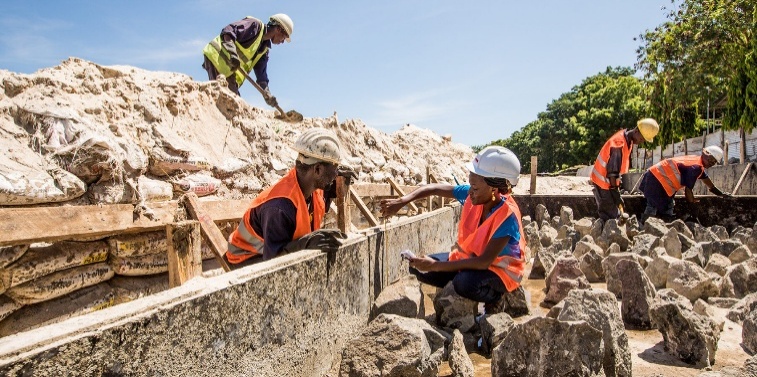
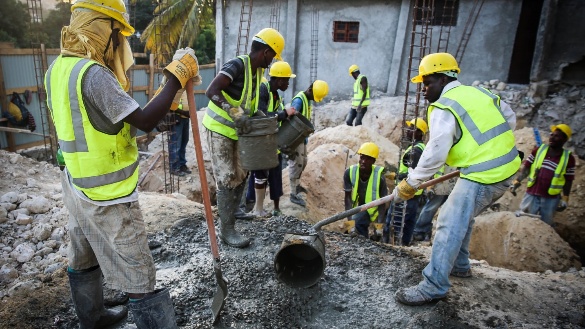
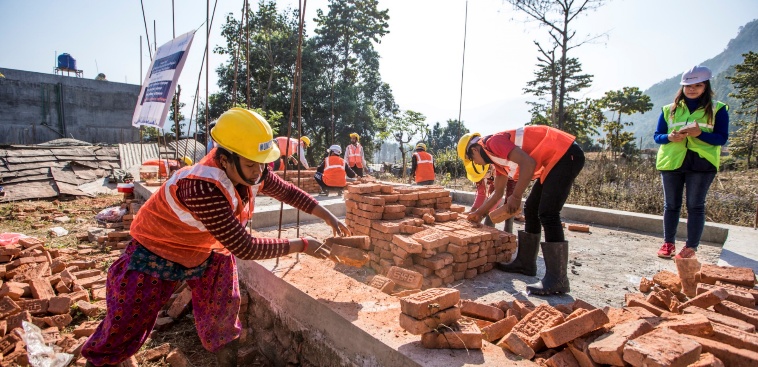
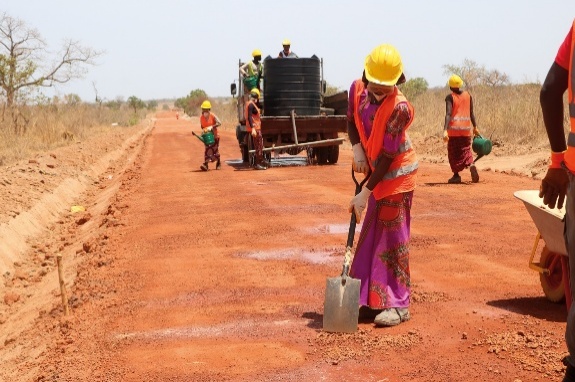
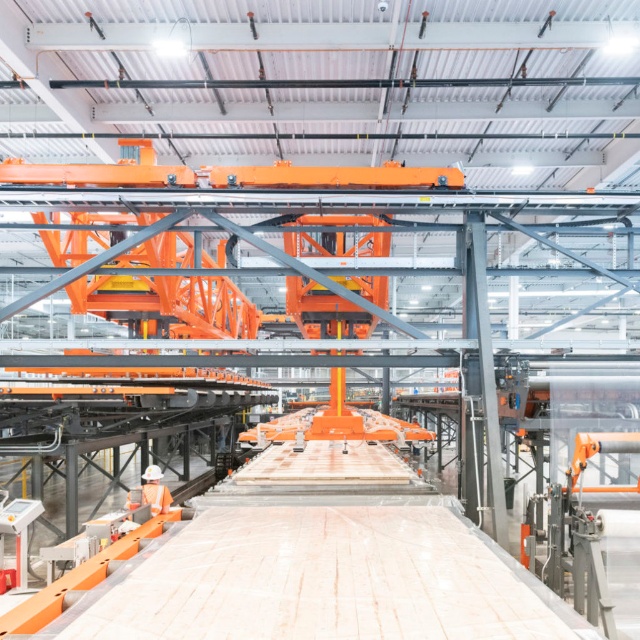
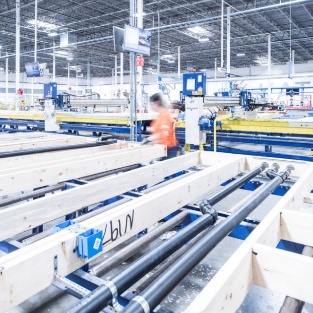
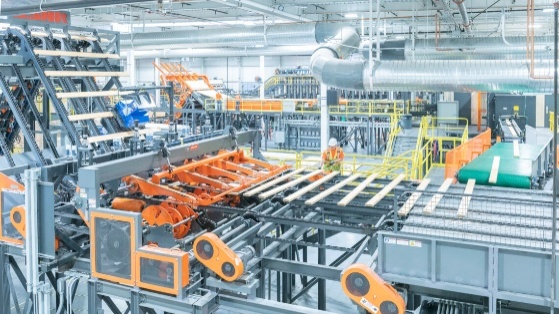
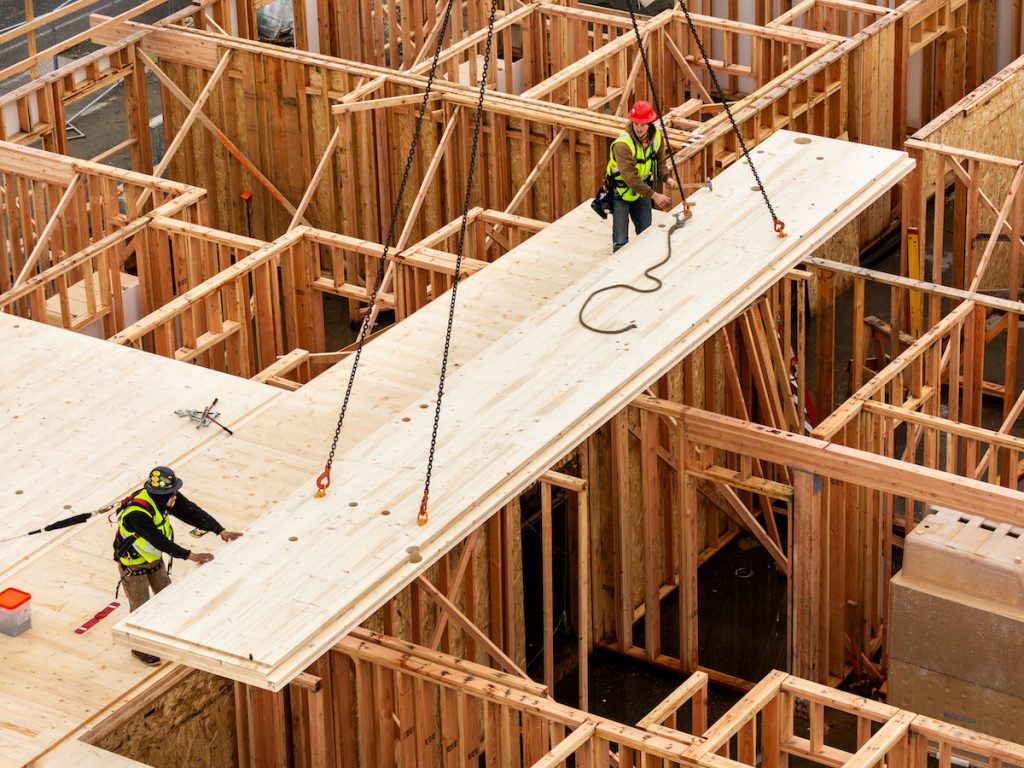
DfMA reframes construction as a production-ready design problem, settling modules, interfaces, factory capability, logistics, and assembly before work reaches the site. The contrast below moves from variable site labour to controlled factory production and on-site assembly.
Hong Kong Hospitals as Application Context
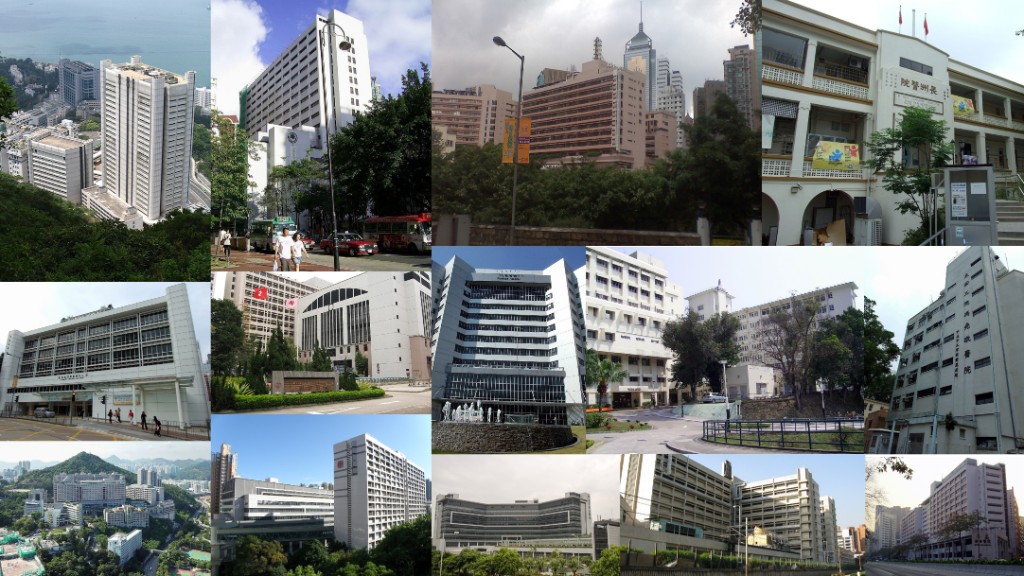
Hospital construction in Hong Kong makes DfMA challenges concrete: large delivery pipelines, ageing demand, limited capacity, and complex medical infrastructure.
Hospitals need speed, quality, infection-control reliability, adaptable space, and dense MEP coordination. These are exactly the conditions where manufacture-ready design and assembly planning matter most.
Research Agenda
We seek to advance DfMA through contributions in design theory and design engineering; research directions cover urban modular construction, human-AI collaboration, and generative design optimization.
Urban Modular Construction
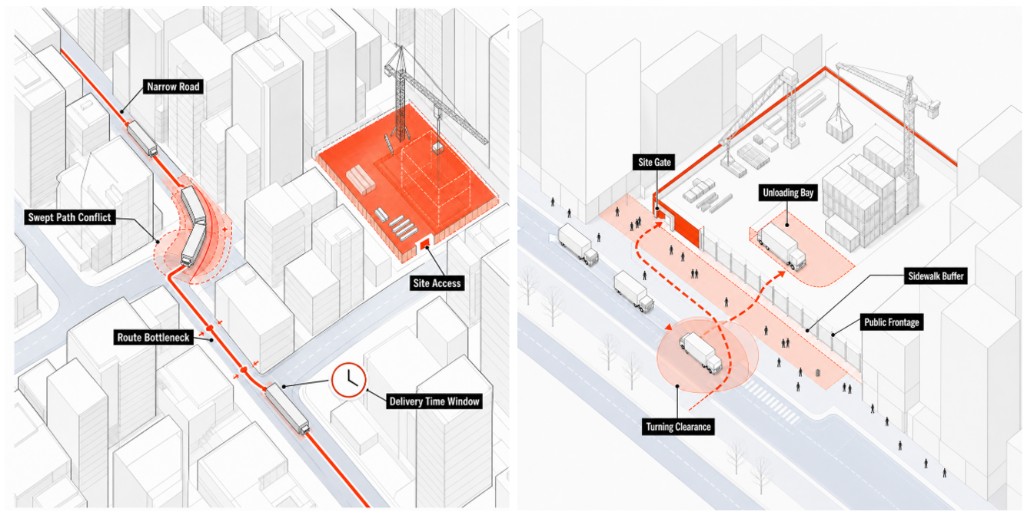
This stream examines modular construction at urban scale, drawing on urban big data to connect neighbourhood context, existing built conditions, and transportation capacity with design and planning.
It aims to advance building industrialisation in high-density older districts and to support urban renewal, including module zoning, logistics, assembly, and implementation pathways.
Funding HKU Seed Fund

Human-AI Collaboration
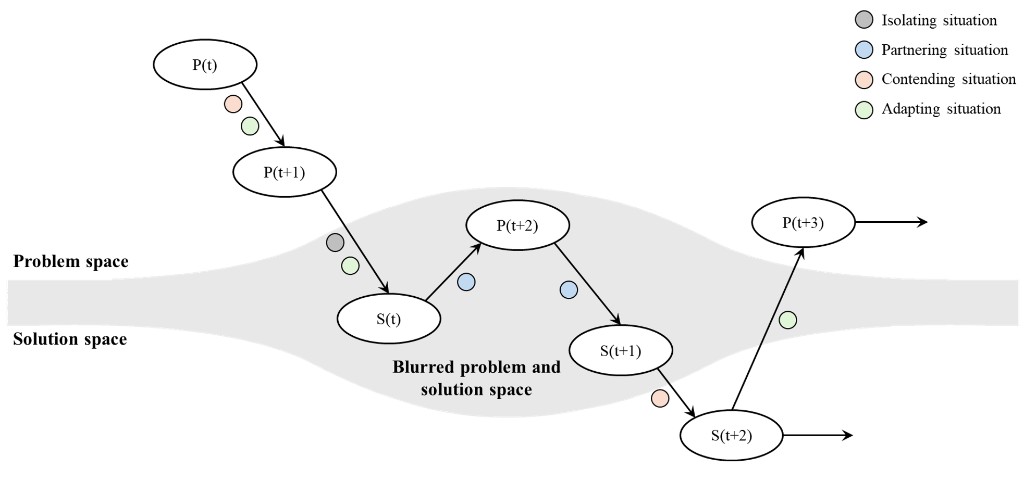
We study human–AI coopetition in design, examining how people and AI systems partner, contend, and adapt as problem and solution spaces blur.
The research tracks how such interaction reshapes design workflows and opens new forms of knowledge co-creation.
Funding NSFC YSF(C)

Generative Design Optimization
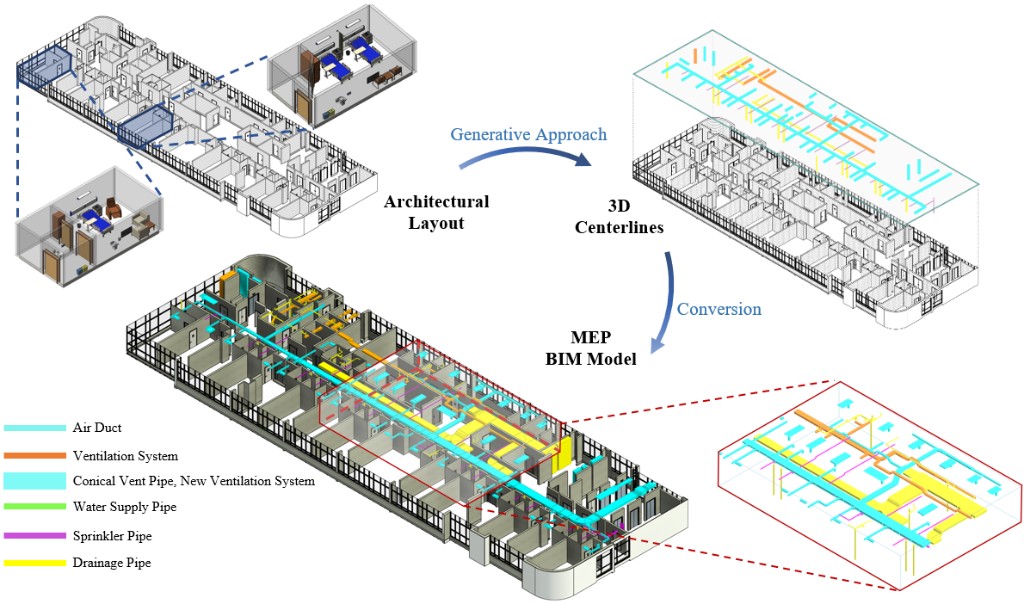
Using hospital construction as a primary application context, this stream applies generative methods to ward-floor layout optimization, construction-sequence optimization, and MEP routing optimisation.
Workflows cover activity sequencing and site organisation under spatial and schedule constraints, alongside coordinated 3D routing for HVAC, ventilation, water, sprinkler, and drainage systems, producing review-ready MEP BIM and implementation guidance.
Funding Application under review